Trailer:
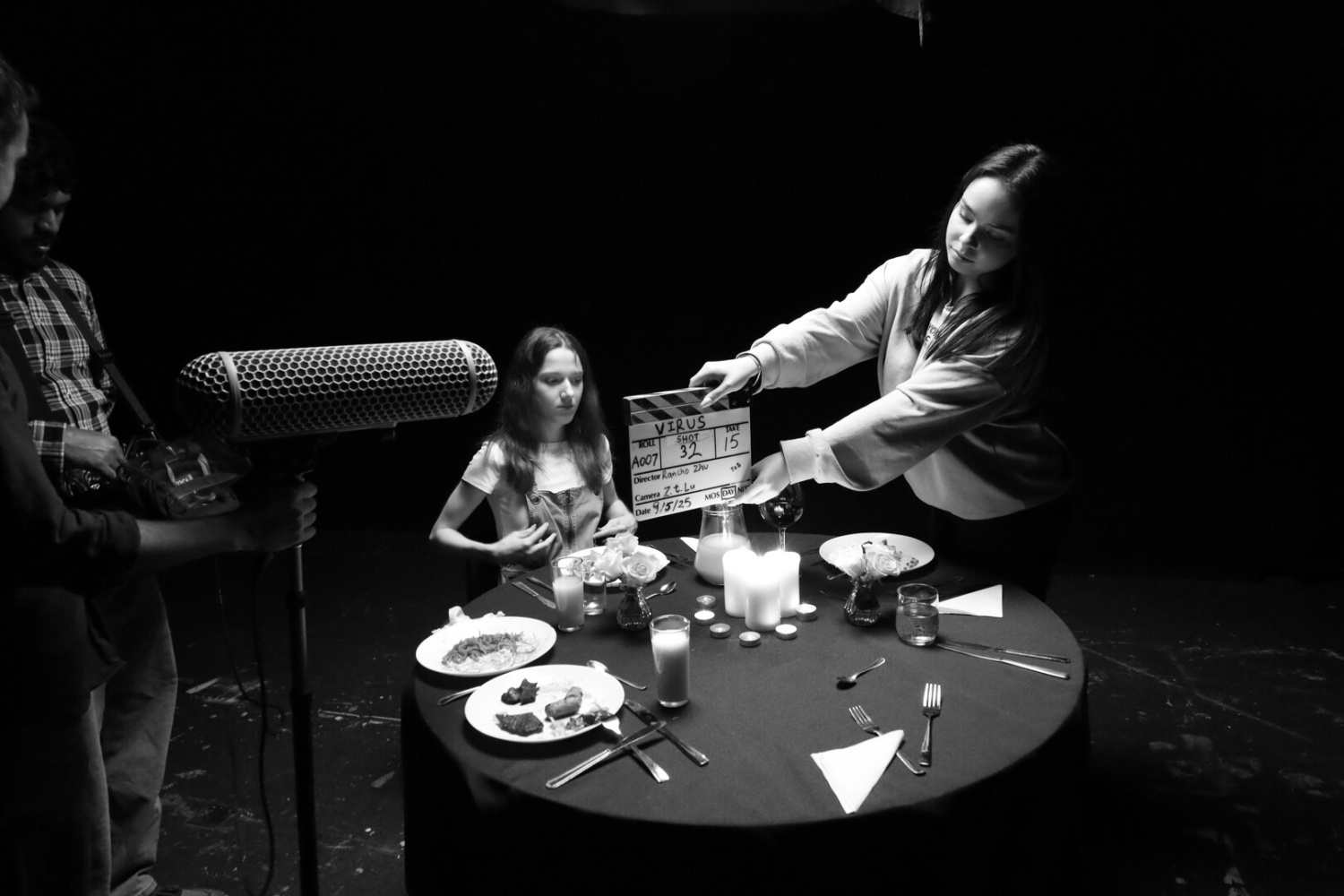
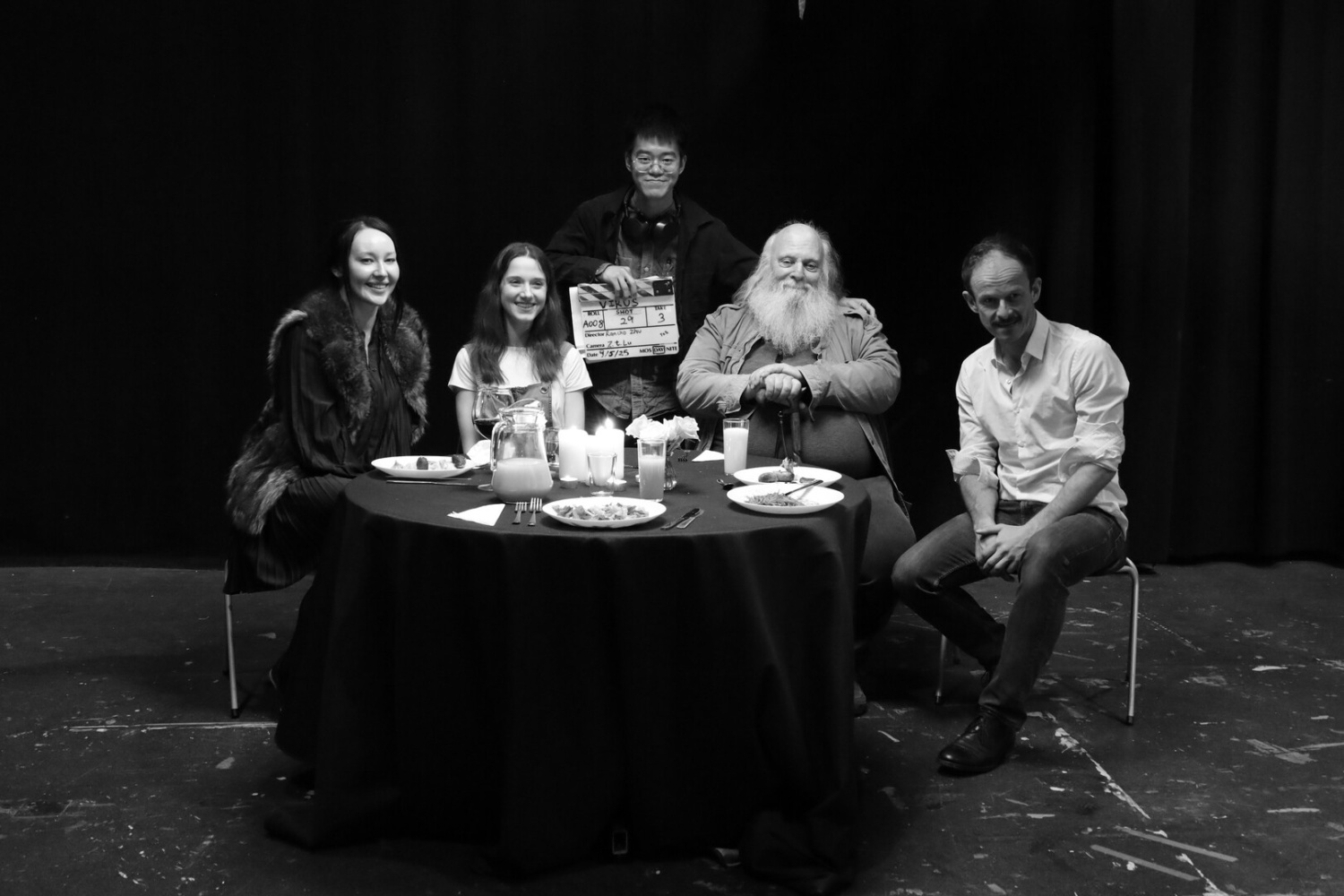
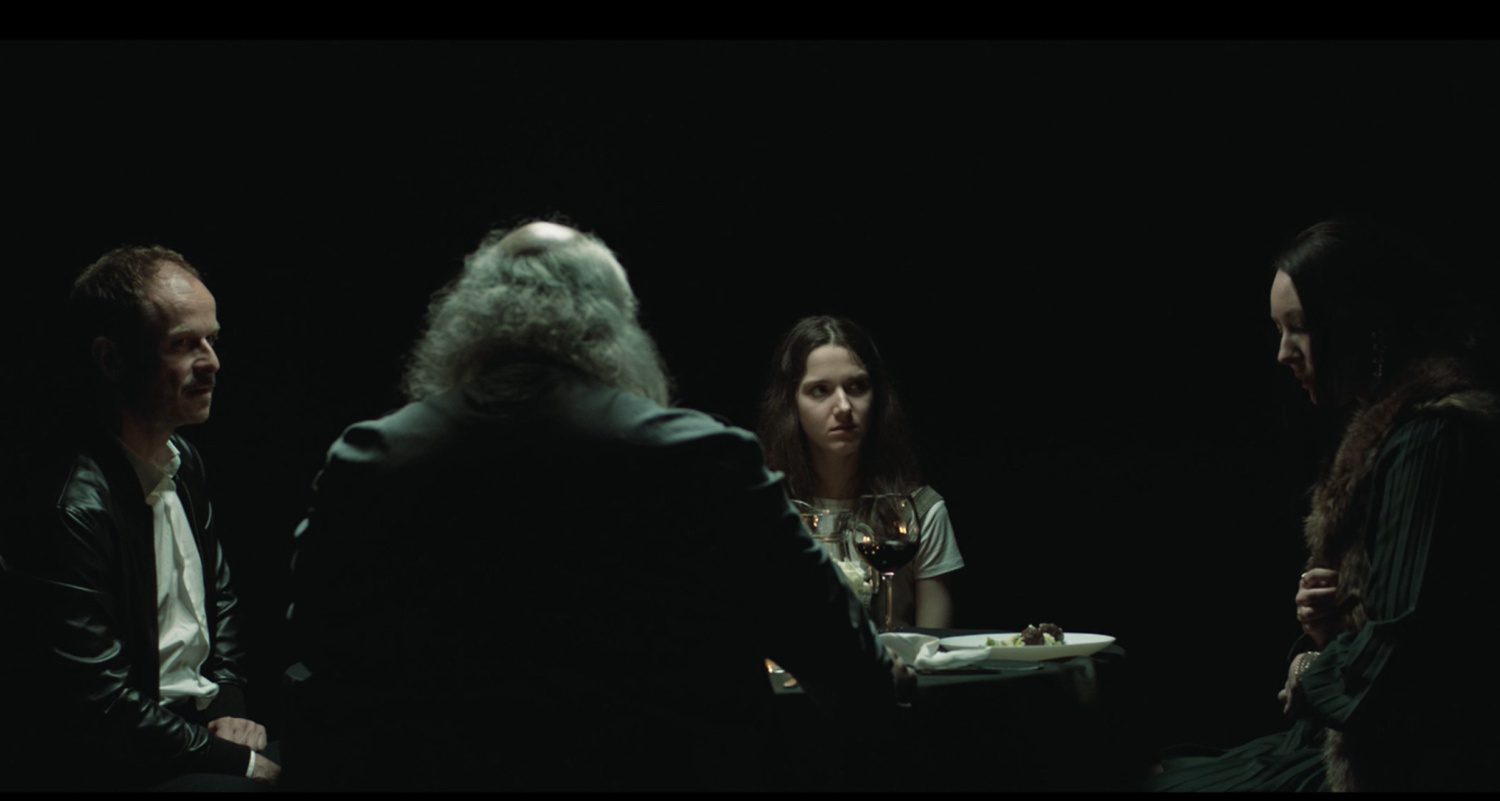
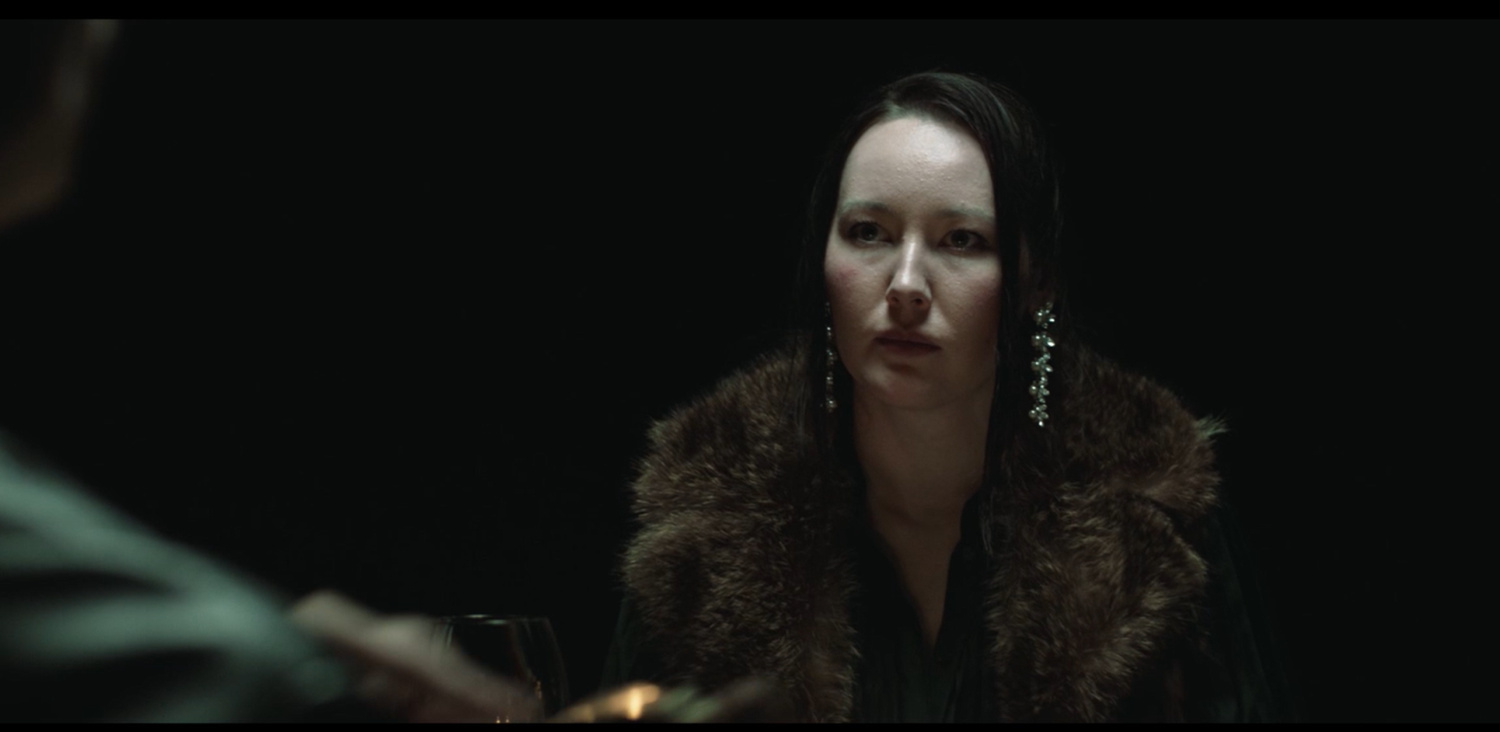
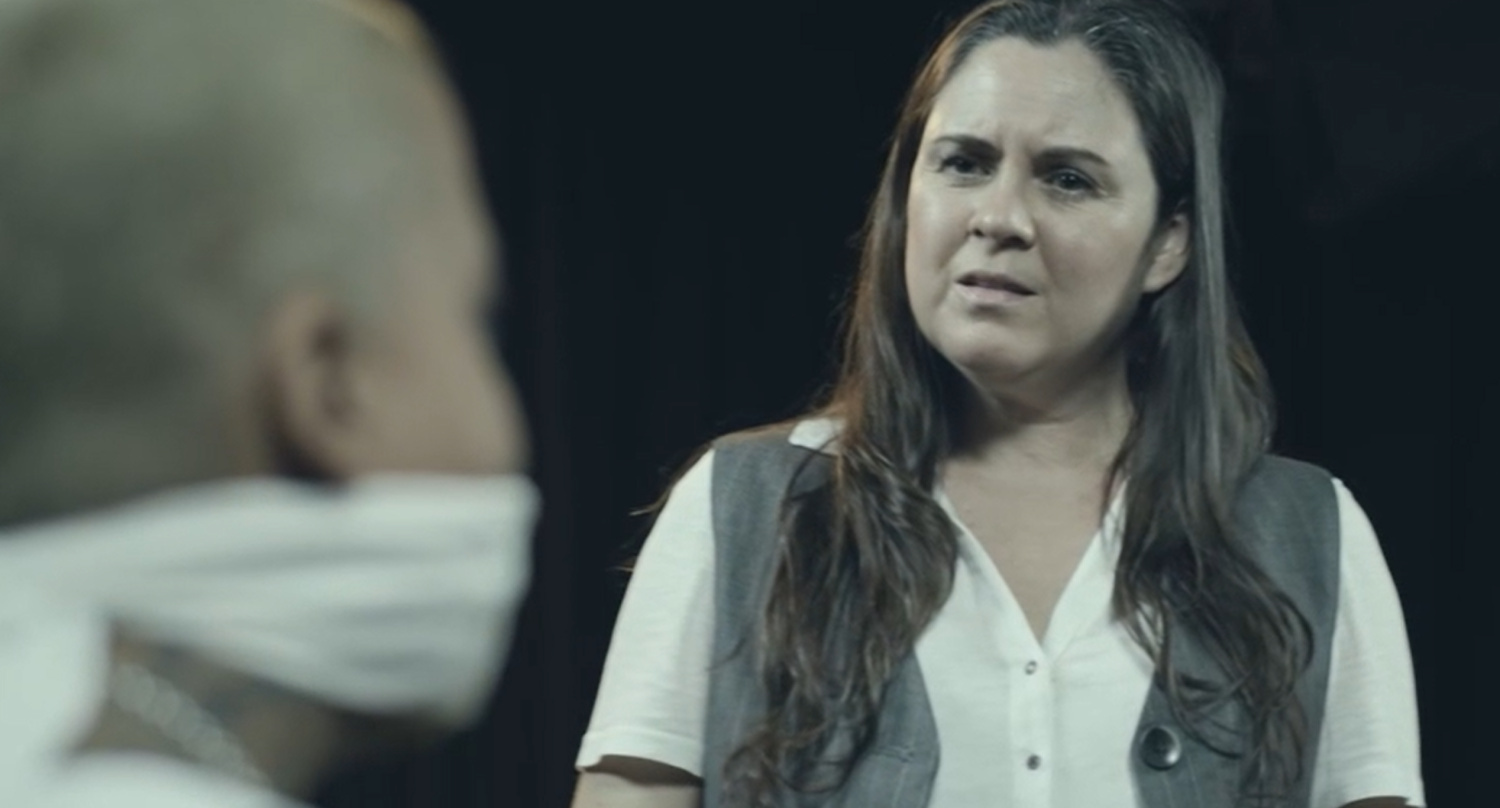
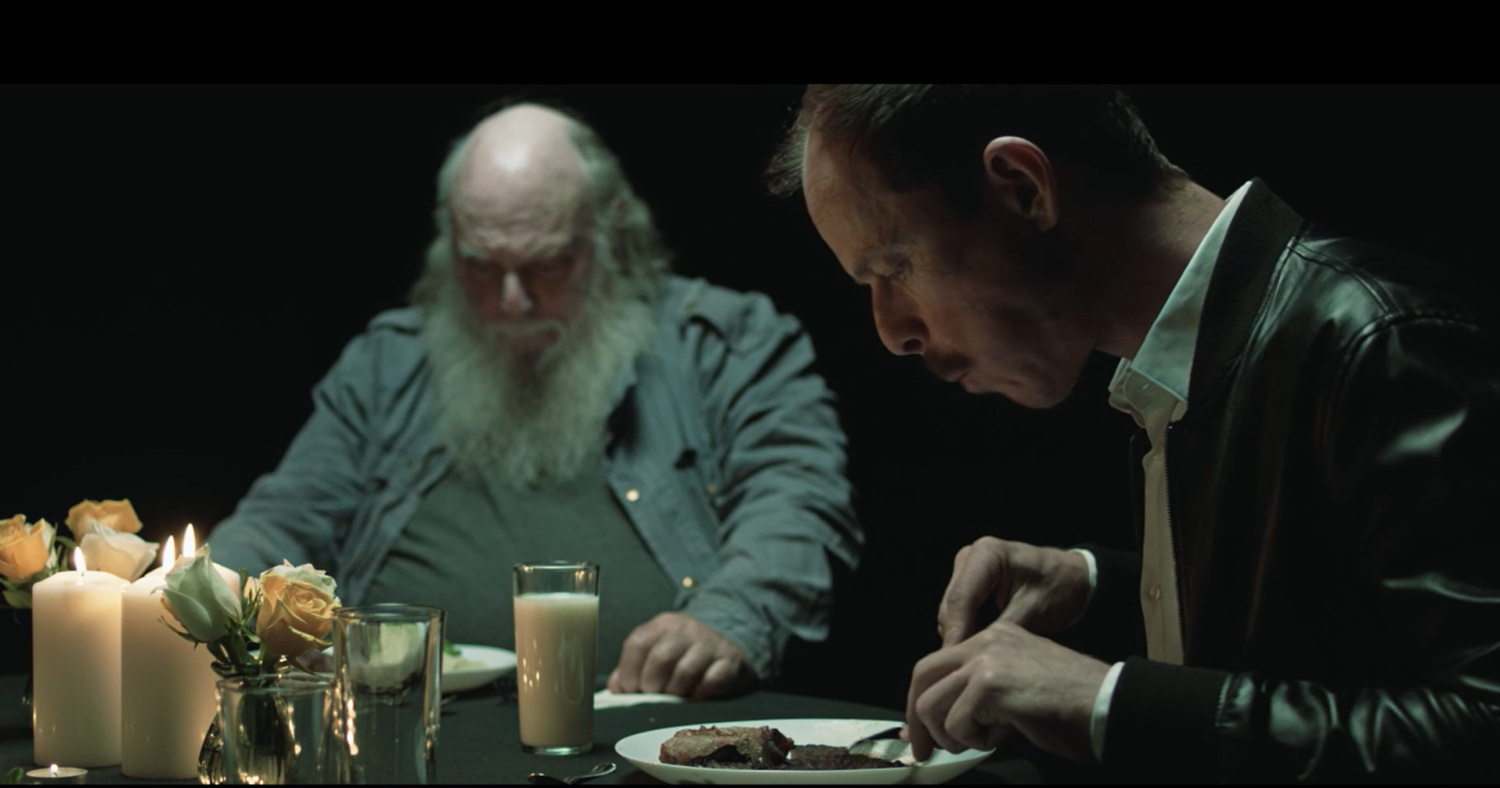
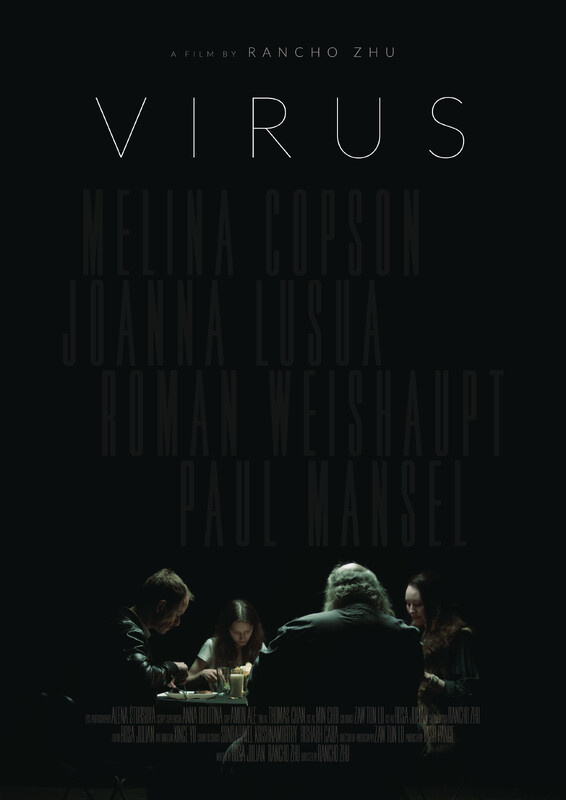
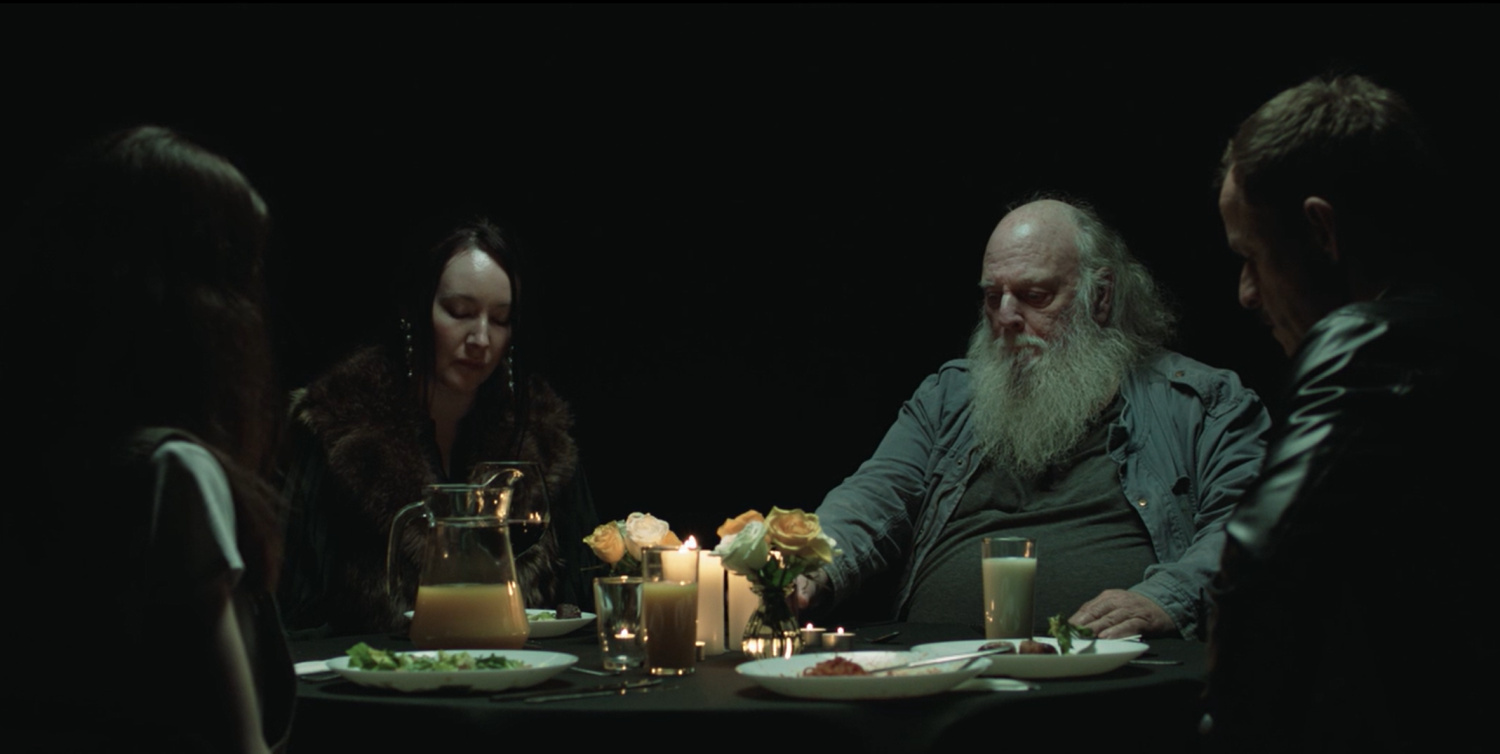
A man, a woman, an old man, and a girl sit around a table, each eating a different meal, gradually, tensions rise over the food, revealing their true selves.
Director Statement
Wolf eats sheep, sheep eats grass, weak nature struggles to maintain balance. Whereas only we humans, have forgotten that we ourselves are also being devoured while constantly fighting for interests, from the scale of war to even a tiny dinner table, only because our consequences are a result of our own actions, even as we struggle to control everything.
The short film VIRUS tells the simplest story: 4 people eating around a table without dialogue, and it presents a universal scene and language that resonates with everyone. Growing up from a multicultural background, I've found that the more differences I encounter between cultures, the more commonalities I discover, telling me that human nature acts the same way in any group, from between countries to between even school classrooms. It's concerning to think that in today's society, our views and opinions can be easily manipulated in groups, and our own greedy and selfish subconscious tendencies may emerge, making it difficult to stay true to ourselves. The subtle psychological warfare I sensed within groups has driven me to consider its impact on breaking barriers and bonding people together, which motivates me to consider whether there is a universal symbol that could deliver the message to the public, and I thought about FOOD.
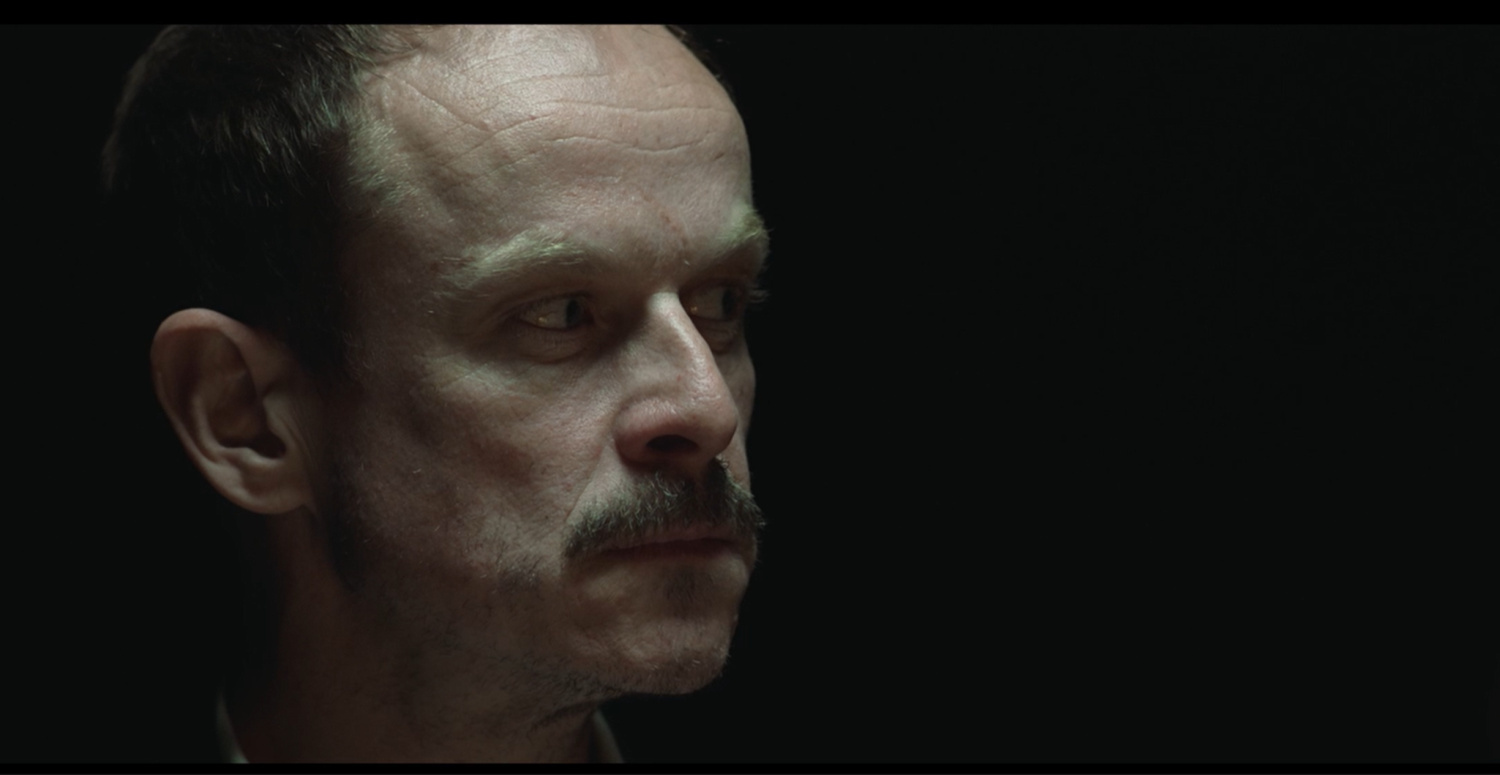
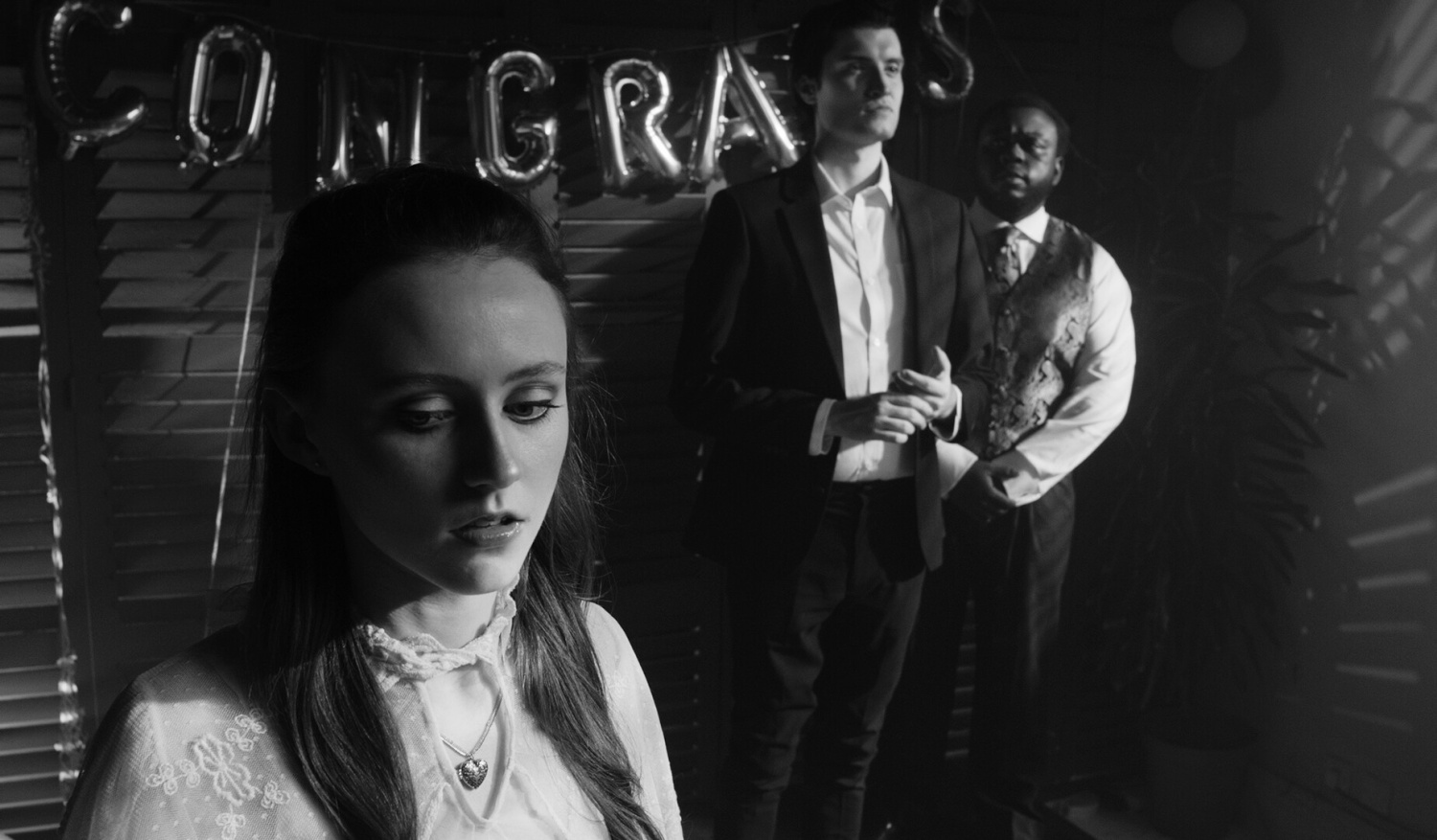
Unlike Jan Švankmajer’s “food trilogy”, this film features a surreal and abstract theme yet maintains a highly realistic visual texture. What I aim to illustrate is that FOOD, while essential for living creatures, also has the power to represent class and power, serving as a medium for exchanging profits. We chose smooth camera movements and dimmed lighting, along with properly designed food to match the 4 characters' traits: a greedy MAN (meat and milk), a repressed WOMAN (pasta and wine), a wise OLD MAN (mashed potato and water), and an innocent GIRL (salad and juice). As a character-driven story, 4 people were thrown together at a small table, and their actions spontaneously influenced one another. Our aim is to limit the visual elements perceived by the audience as much as possible, focusing instead on just the character dynamics. Along with editing pacing changes, and postmodern, abstract sound and music style to highlight the shifts in characteristics throughout the plot.
We don’t draw the map, we build bridges. 4 people represent 4 different types of societal roles, those we are surrounded by and continually allow to influence us, until we become them. A dinner table is something we can all relate to, but what about culture, race, hate, and war—issues that are, in fact, deeply intertwined? As a filmmaker, politics and war have never been the topic I wanted to involve myself in, because ultimately, it is always about humanity—the very subject for which I feel I can give a voice to the voiceless or simply present the human nature to the public. By projecting the world onto that tiny dinner table, we would easily discover the archetypes: the one like the WOMAN who tries to take control but is pathetically compromised by power; the one like the MAN who uses the logic of benefits and fights for resources; the one like the OLD MAN who quietly observes the game and tries to help the weak; and the one like the GIRL, new to the game, who eventually starts to get corrupted by society—and it is happening now, most notably.
Since the pandemic began and humanities were tested, the world has become increasingly divided by power, race, and culture, and this division is likely to continue. It is weak to say that I feel the responsibility or obligation to stop, but I do wish to use this film as a question, a catalyst, a medicine, a bridge to connect, offering insight, to explore what humanity may lead to. Only because the truth never matters, only because if asked whether the world would get better, I would say it will, if we keep questioning.
About the Director.
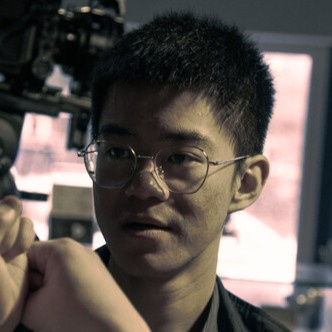 Rancho Zhu is a London/Beijing based creative filmmaker in visual and subtextual storytelling, proficient in directing crafts, screenwriting, editing, sound design, and cinematography. A clear communicator & crew leader with experience in both short fictions and commercial productions, aspiring to stimulate the potential of different roles and push the boundaries of film, storytelling and media.
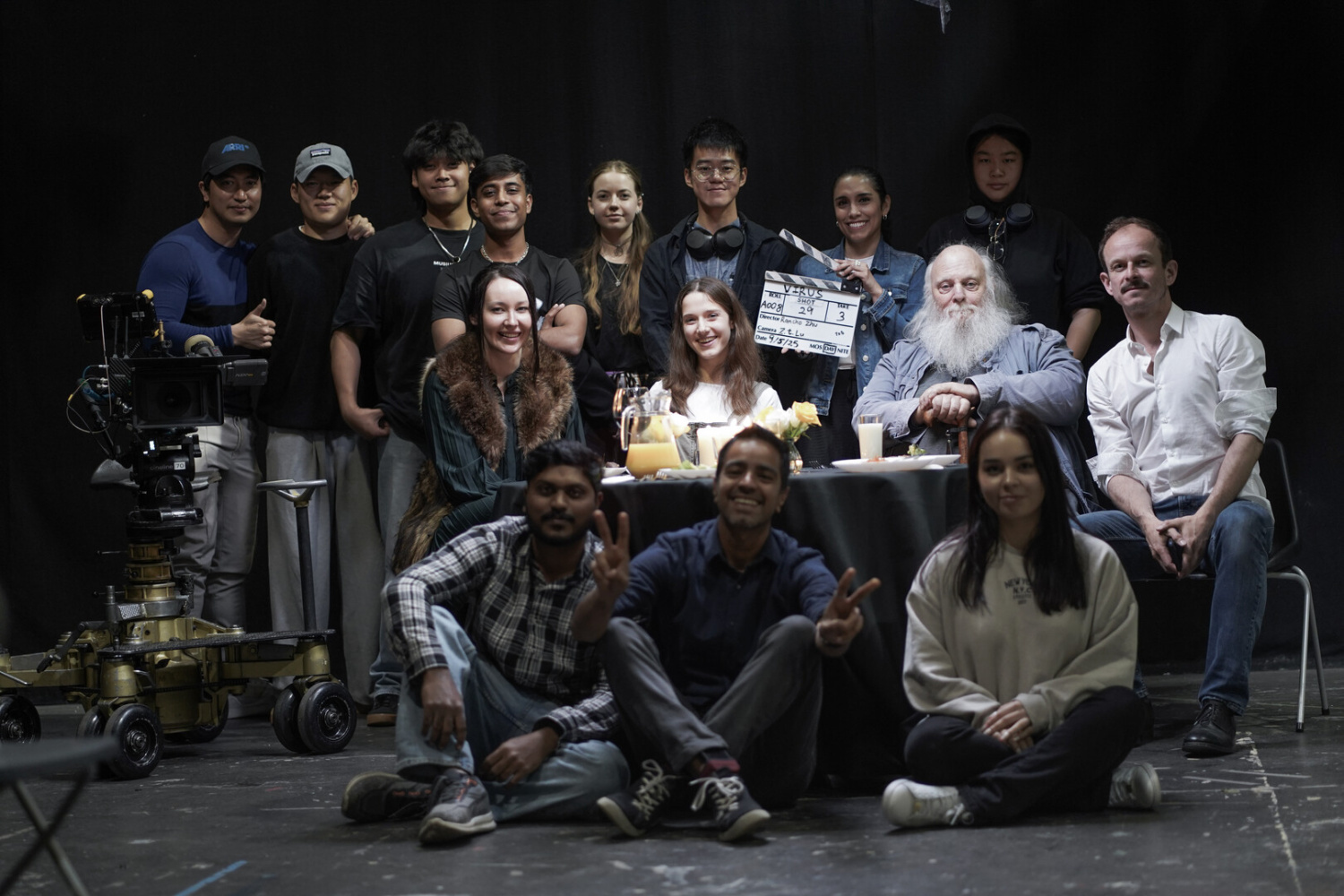
Rancho has written and directed over 10 short films (5 award-winning ones) spanning genres such as drama, tragedy, comedy, and crime. He has planned and organised short fiction film productions involving over 50+ crew and cast members, collaborating closely with camera, lighting, sound, and art departments to create compelling visual works for both art and commercial projects.