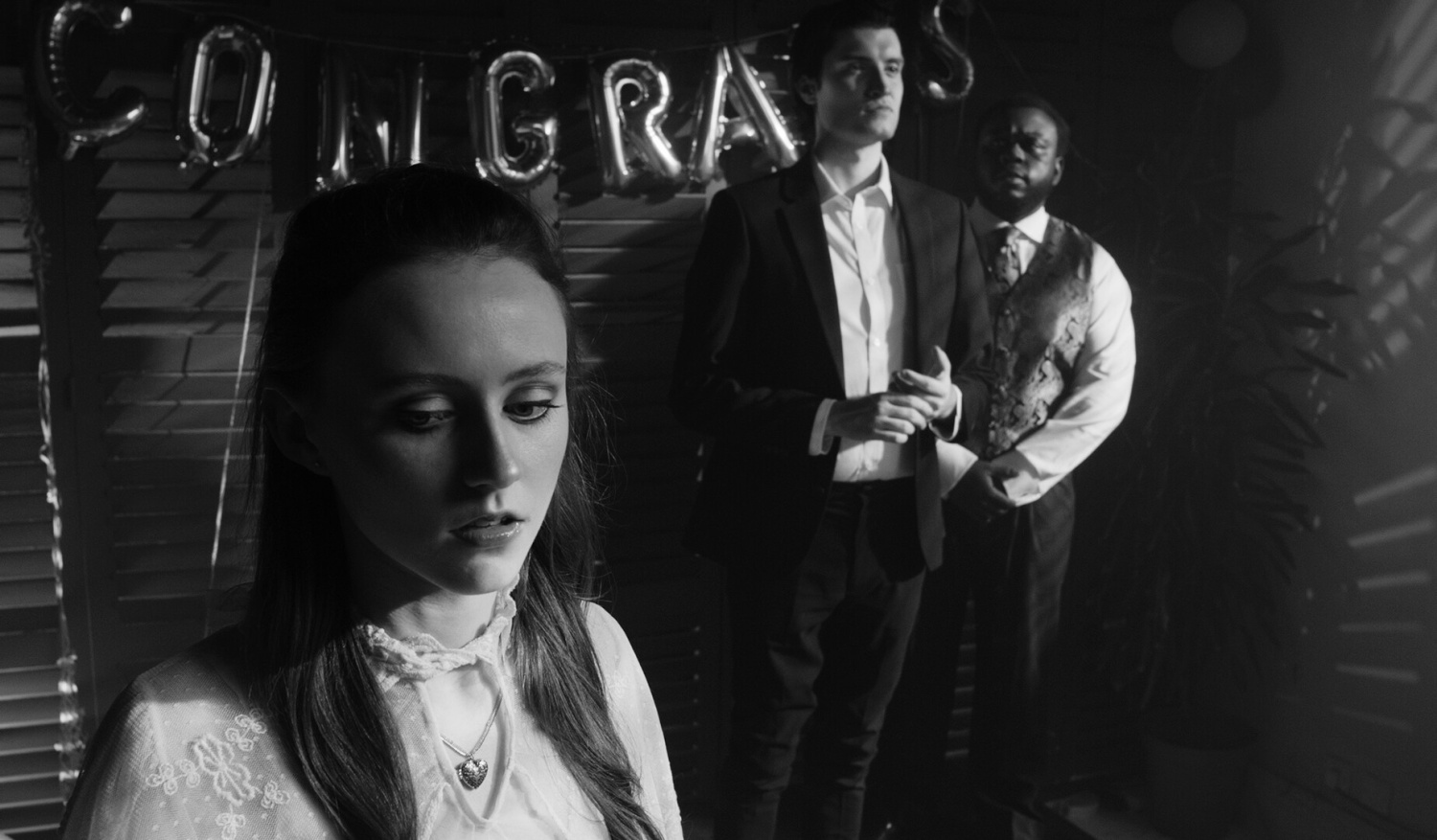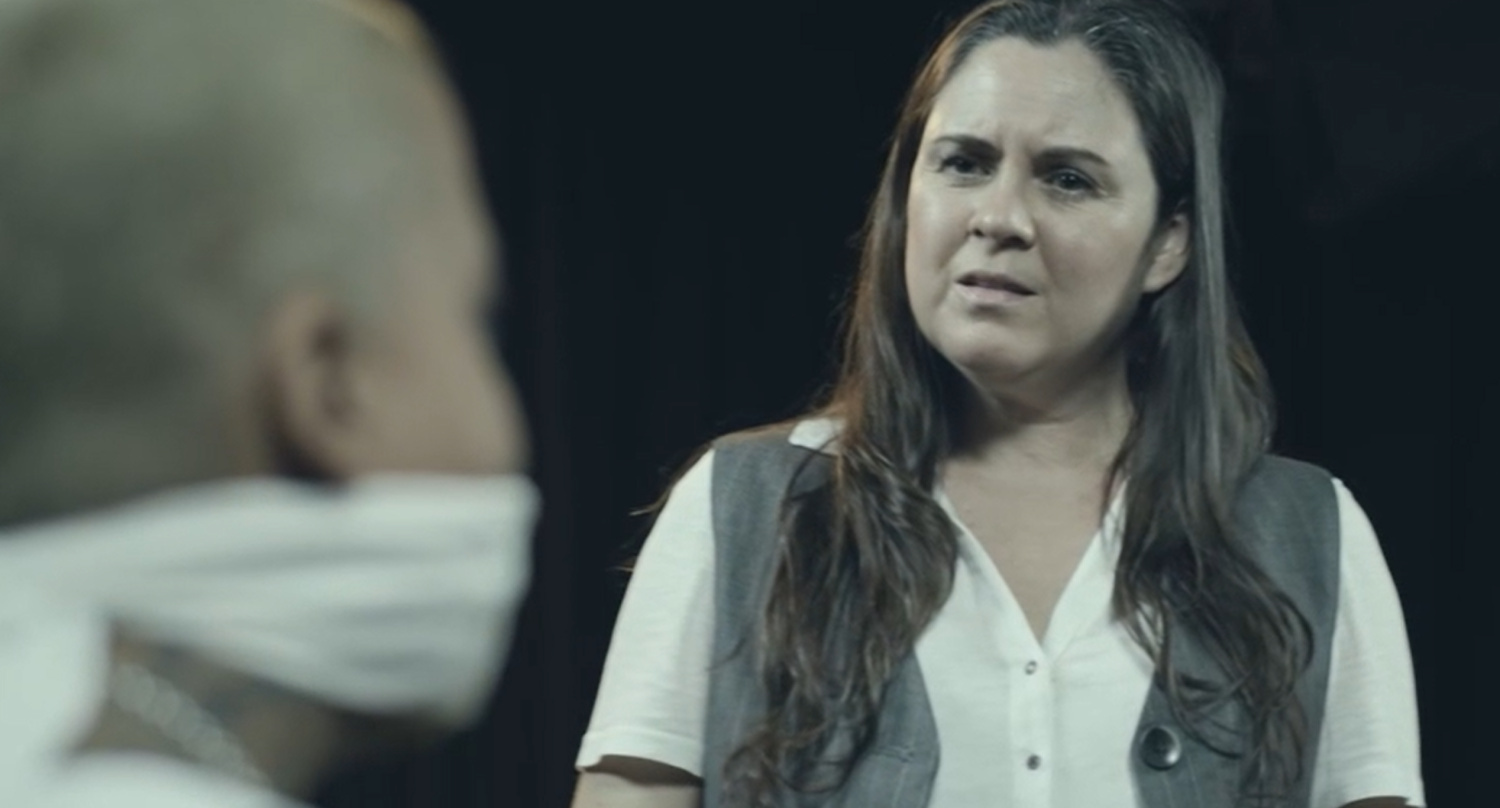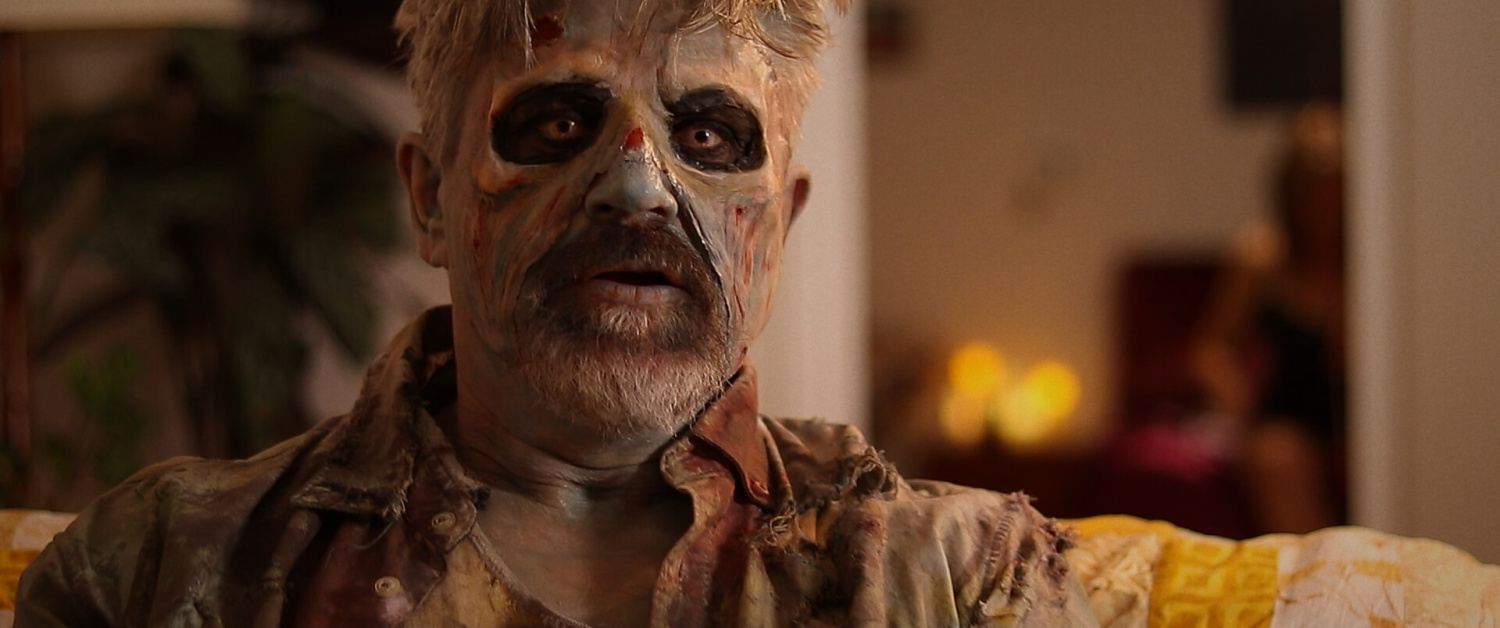
Trailer:
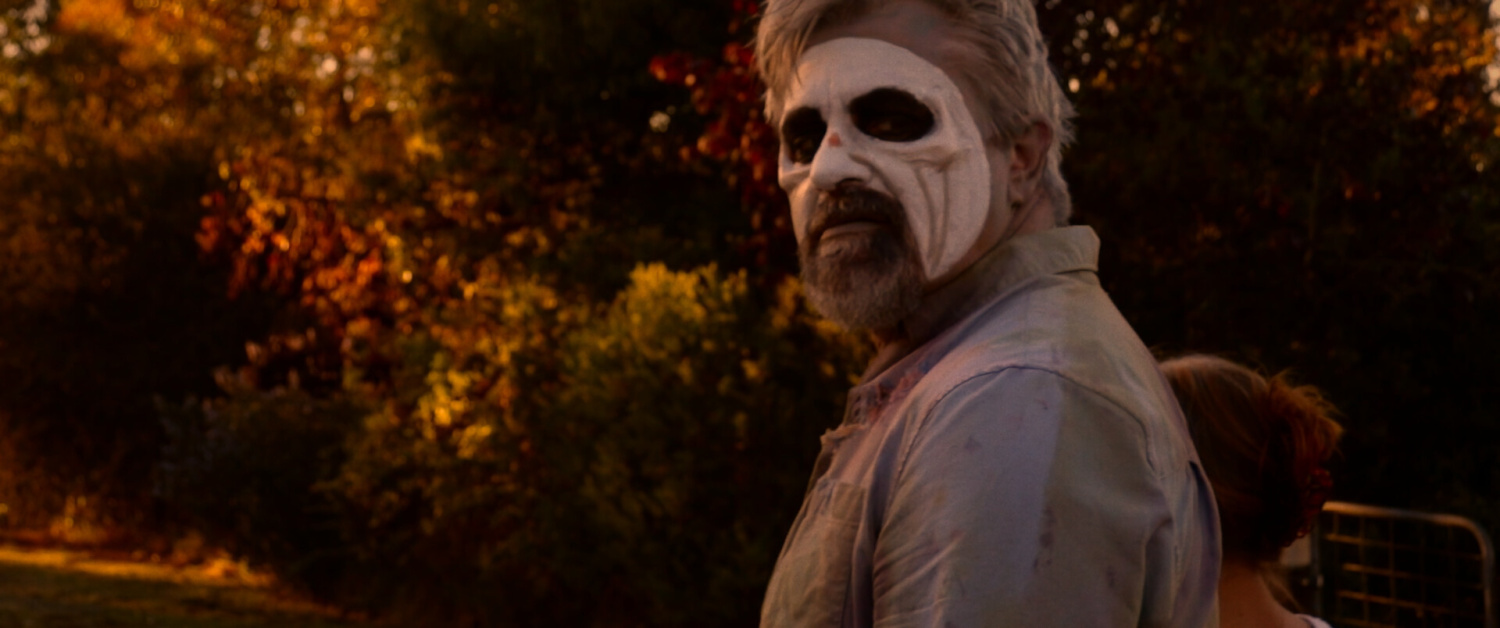
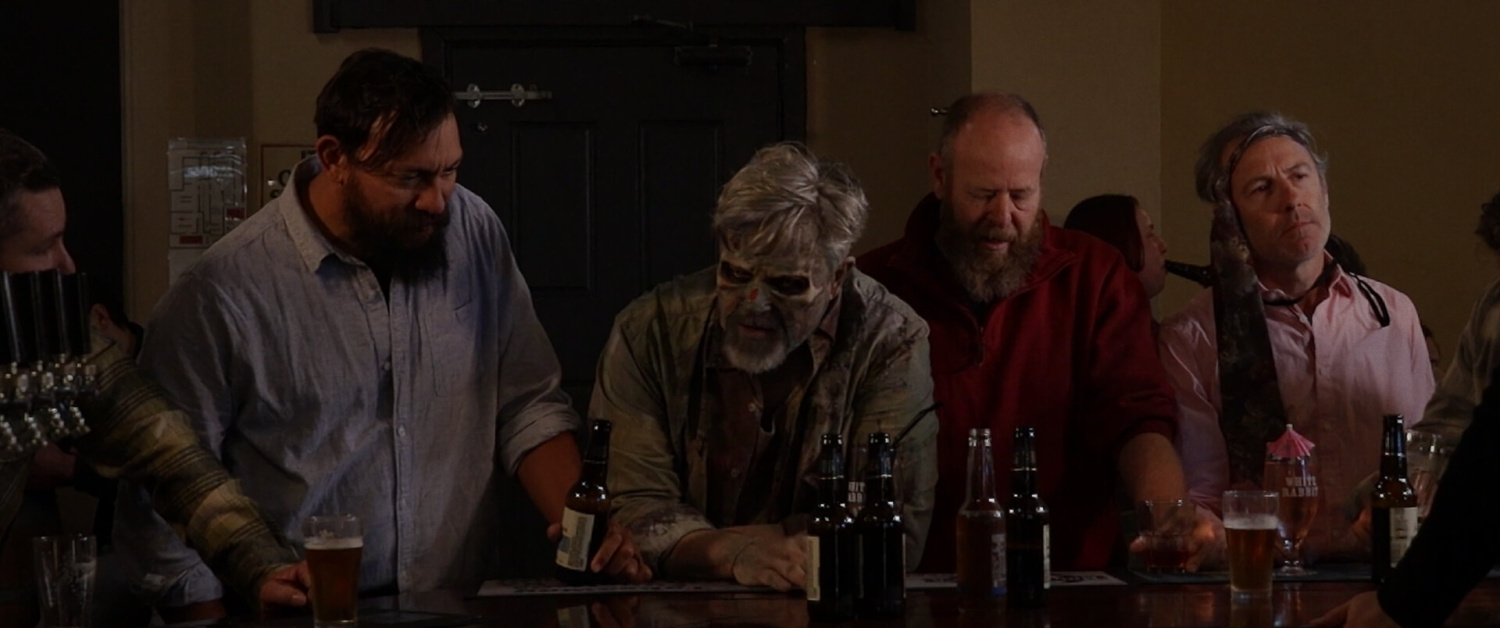
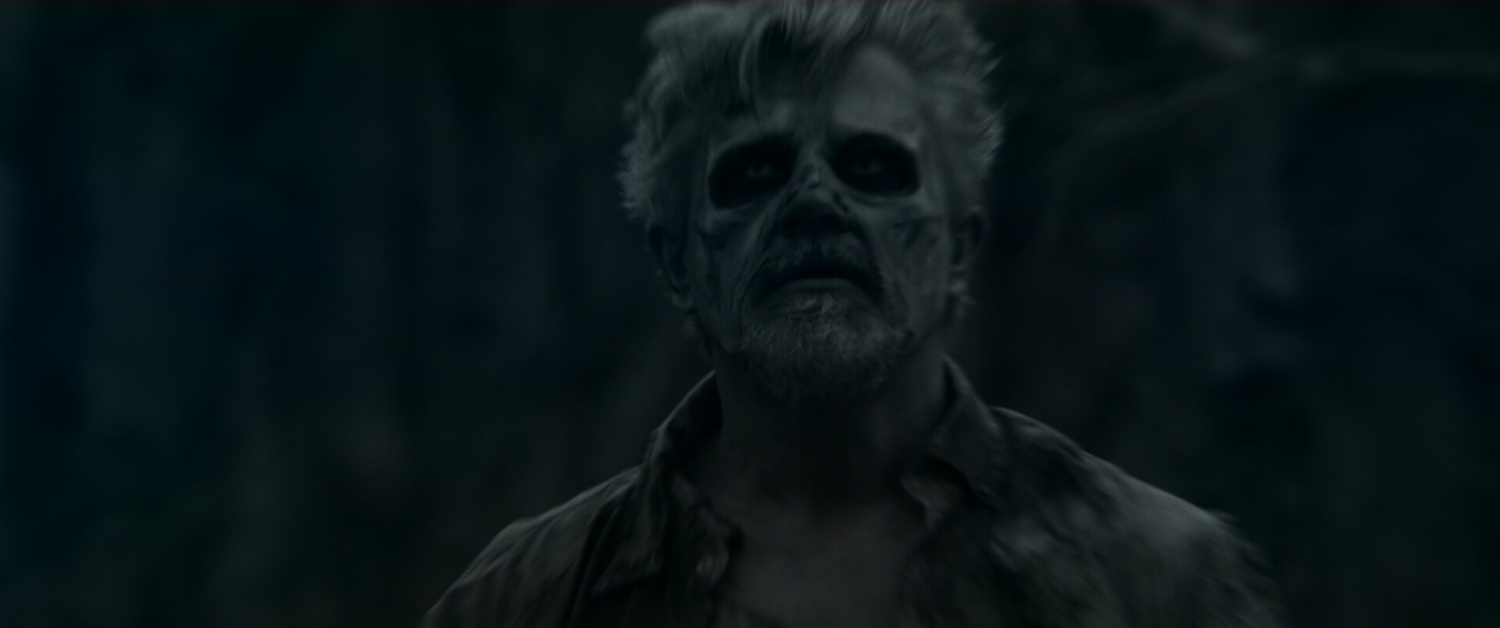
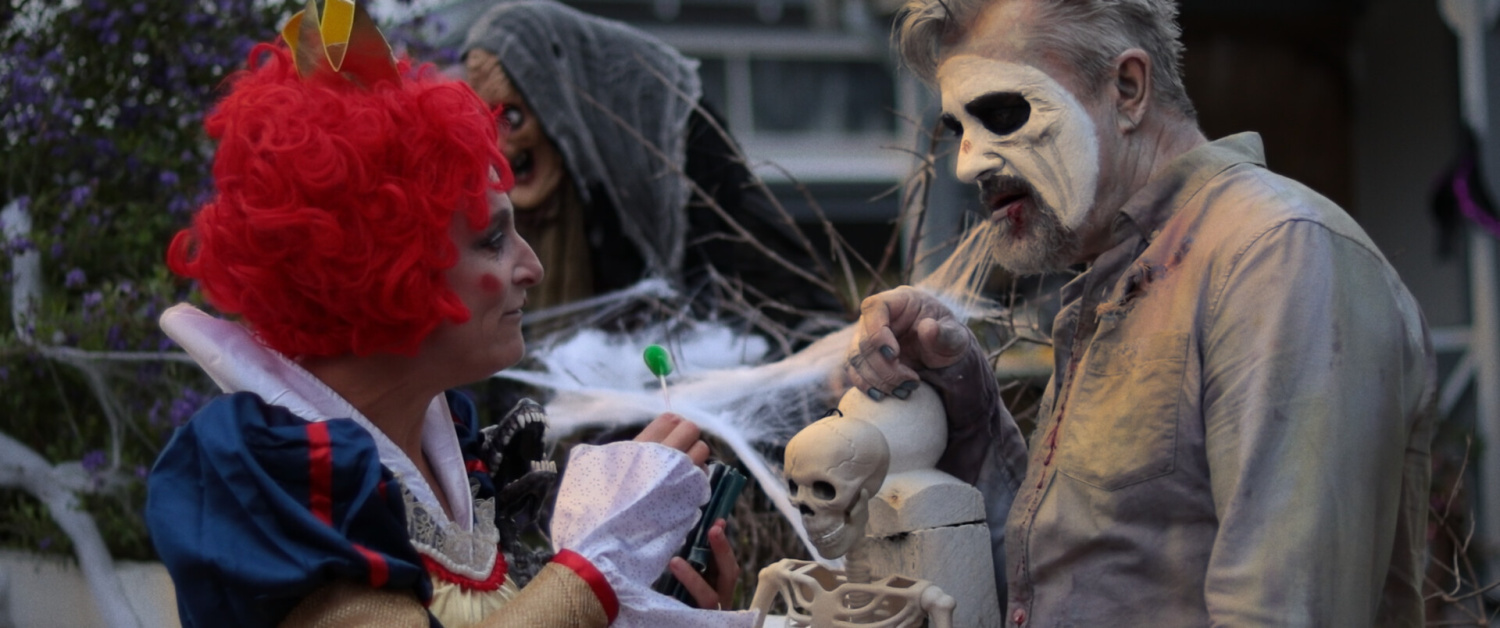
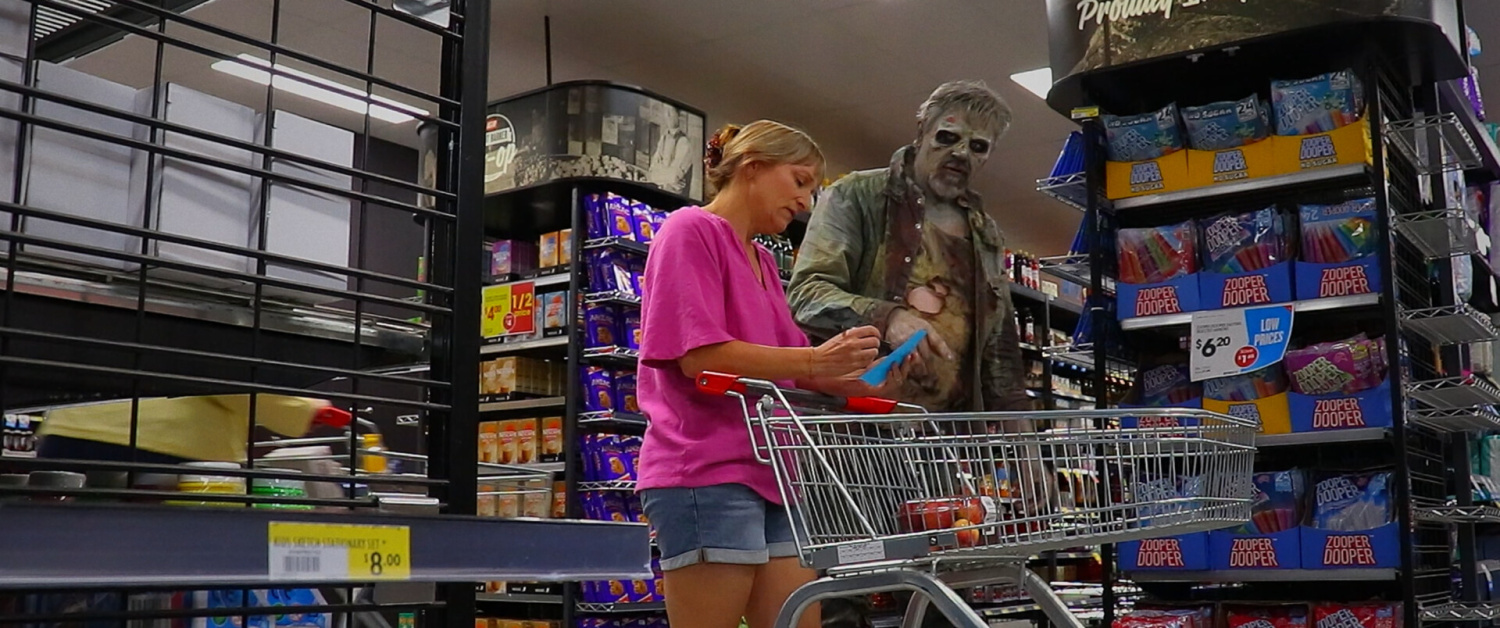
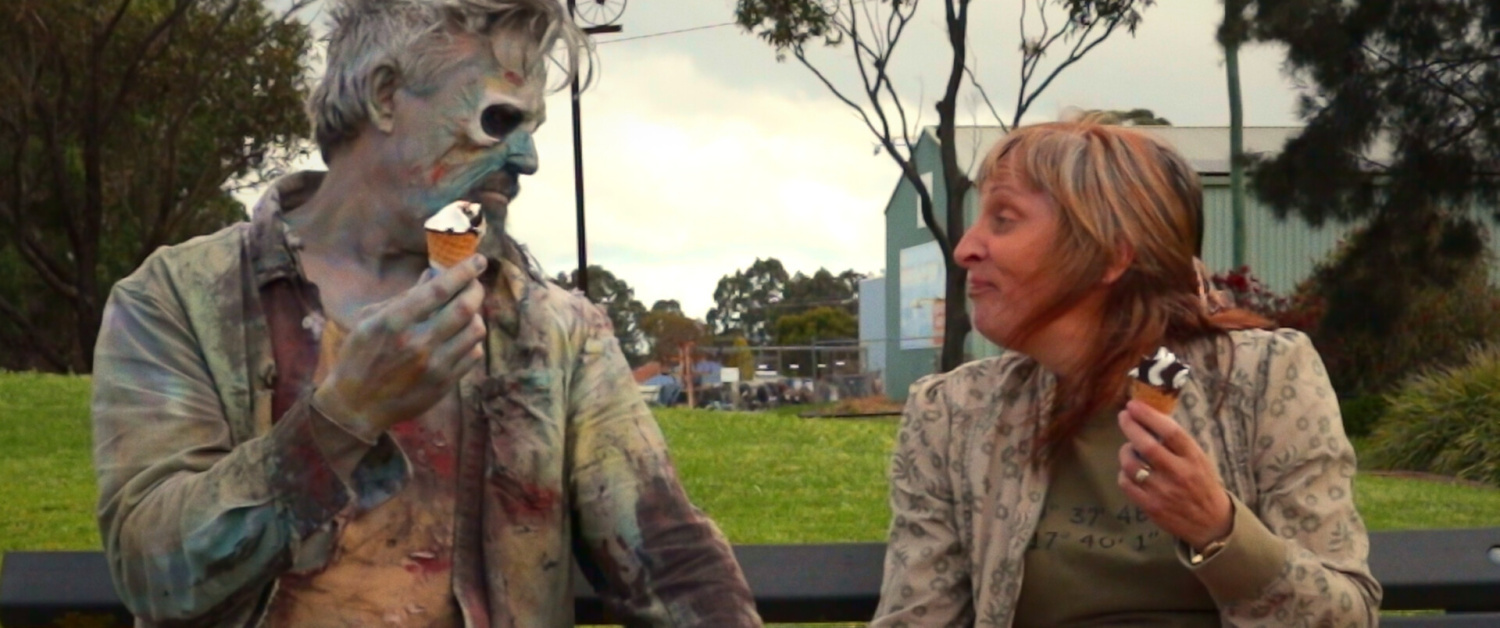
A darkly comic zom-rom-com about identity, anxiety and unexpected transformation, The Transition of Z follows Daz, a middle-aged programmer struggling with the post-pandemic return to office life and a deepening midlife crisis. As his sense of self begins to unravel, Daz arrives at an unexpected conclusion: life might finally make sense if he embraces his true identity as a zombie.
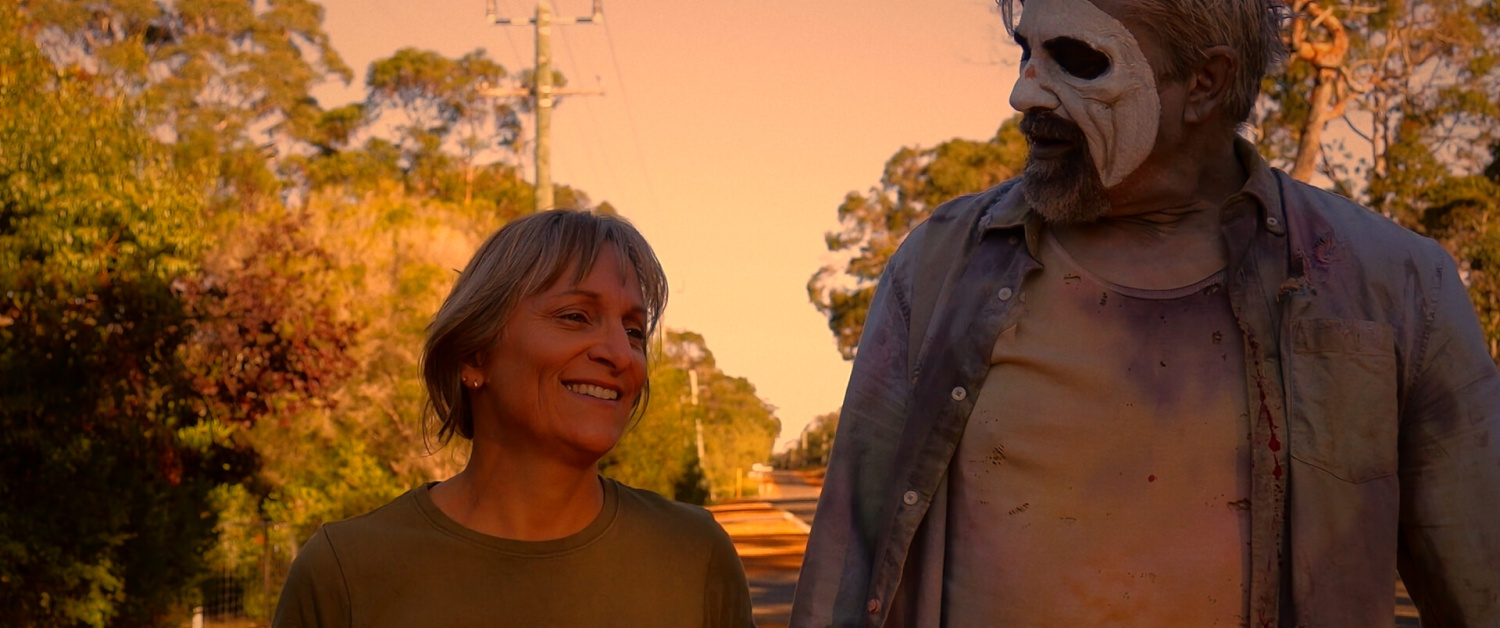
With the reluctant support of his empathetic wife, Ab, Daz embarks on a bizarre, awkward and often hilarious journey of self-discovery. As his transformation gathers momentum, their marriage, routines and assumptions about normality are pushed into increasingly absurd territory — revealing that acceptance can be messy, funny and, ultimately, deeply human.
Director Statement
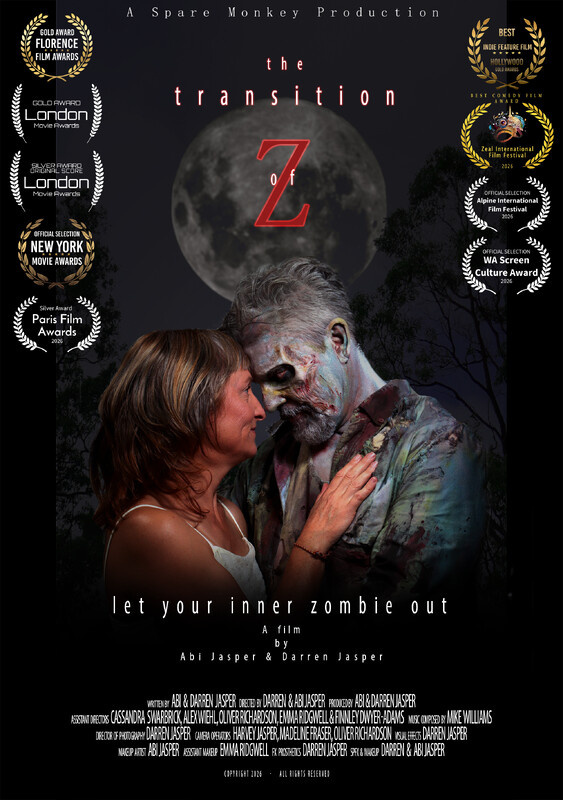 'The Transition of Z' began with a simple but unusual question: what if a zombie story wasn’t about survival, but about identity?
We wanted to take one of horror’s most familiar figures and look at it from a more personal, human and darkly comic angle. Rather than treating the zombie as something purely monstrous, we were interested in what might happen if transformation became a way for someone to make sense of themselves — awkwardly, painfully, absurdly and honestly.
At its heart, the film is about Daz, a middle-aged programmer struggling with anxiety, routine and the pressure to return to a world that no longer feels natural to him. His decision to embrace life as a zombie is strange and comic on the surface, but beneath it sits a very human question: what happens when the person you think you should be no longer fits?
The relationship between Daz and Ab became the emotional centre of the film. We were drawn to the idea of a transformation story told not through spectacle, but through marriage, domestic life, patience and acceptance. Ab’s support of Daz is neither simple nor effortless; it asks both characters to reconsider what love, loyalty and identity mean when life changes in ways neither of them expected.
Created independently in regional Western Australia, the film was shaped by the people, places and character of Mount Barker. Working outside traditional production pathways encouraged us to embrace the limitations and possibilities of regional filmmaking, and reinforced our belief that unusual and ambitious stories do not have to originate in traditional film centres.
For us, 'The Transition of Z' is ultimately a zombie film about being human. It uses comedy, awkwardness and genre to explore anxiety, self-acceptance and the strange courage it can take to become who you really are — even if that person happens to be undead.
About the Directors.
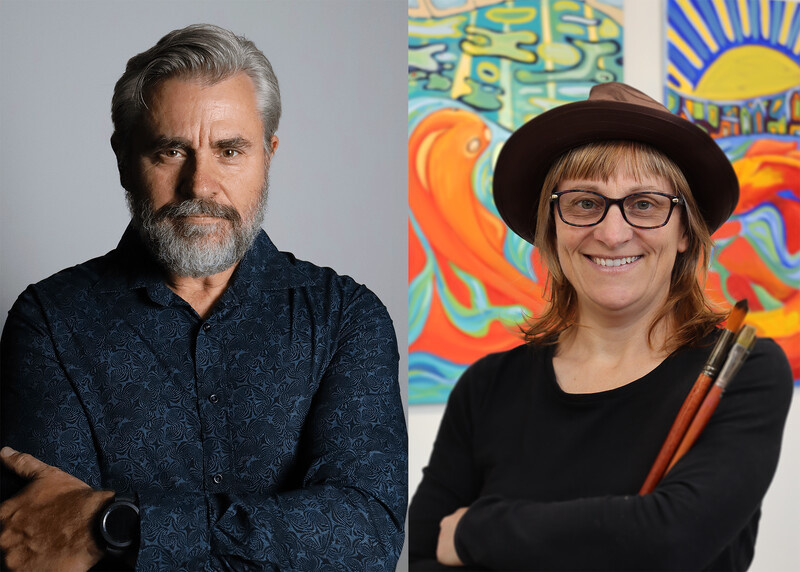 Darren and Abi Jasper are Australian husband-and-wife filmmakers based in Mount Barker, Western Australia. Working collaboratively across writing, directing and producing, they approach filmmaking as a hands-on creative partnership, developing original, character-driven stories outside traditional production pathways.
Their debut feature film, 'The Transition of Z', was produced independently in regional Western Australia on an approximate budget of AUD $6,000, drawing on community support, local participation and a resourceful approach to filmmaking. The project reflects their belief that compelling and ambitious stories can emerge from regional communities regardless of scale or budget.
Their work is influenced by regional Australian life, dry humour and a fascination with finding the extraordinary within everyday experiences. Drawn to stories that balance comedy, emotion and unconventional genre ideas, they explore themes of identity, belonging, transformation and human connection through a distinctly Australian lens.
With 'The Transition of Z', Darren and Abi combine dark comedy, romance and the zombie genre to explore a middle-aged man's attempt to make sense of anxiety, identity and personal change. Beneath its genre premise, the film is ultimately concerned with acceptance, relationships and the sometimes absurd ways people search for a place in the world.
As filmmakers, Darren and Abi value sincerity, creative independence and collaboration. Their aim is to continue developing distinctive Australian stories with humour, heart and a strong sense of place, while championing the creative possibilities of regional filmmaking.